The Secret Behind De-Puffing, Sculpting, and Glow: Lymphatic Drainage Explained
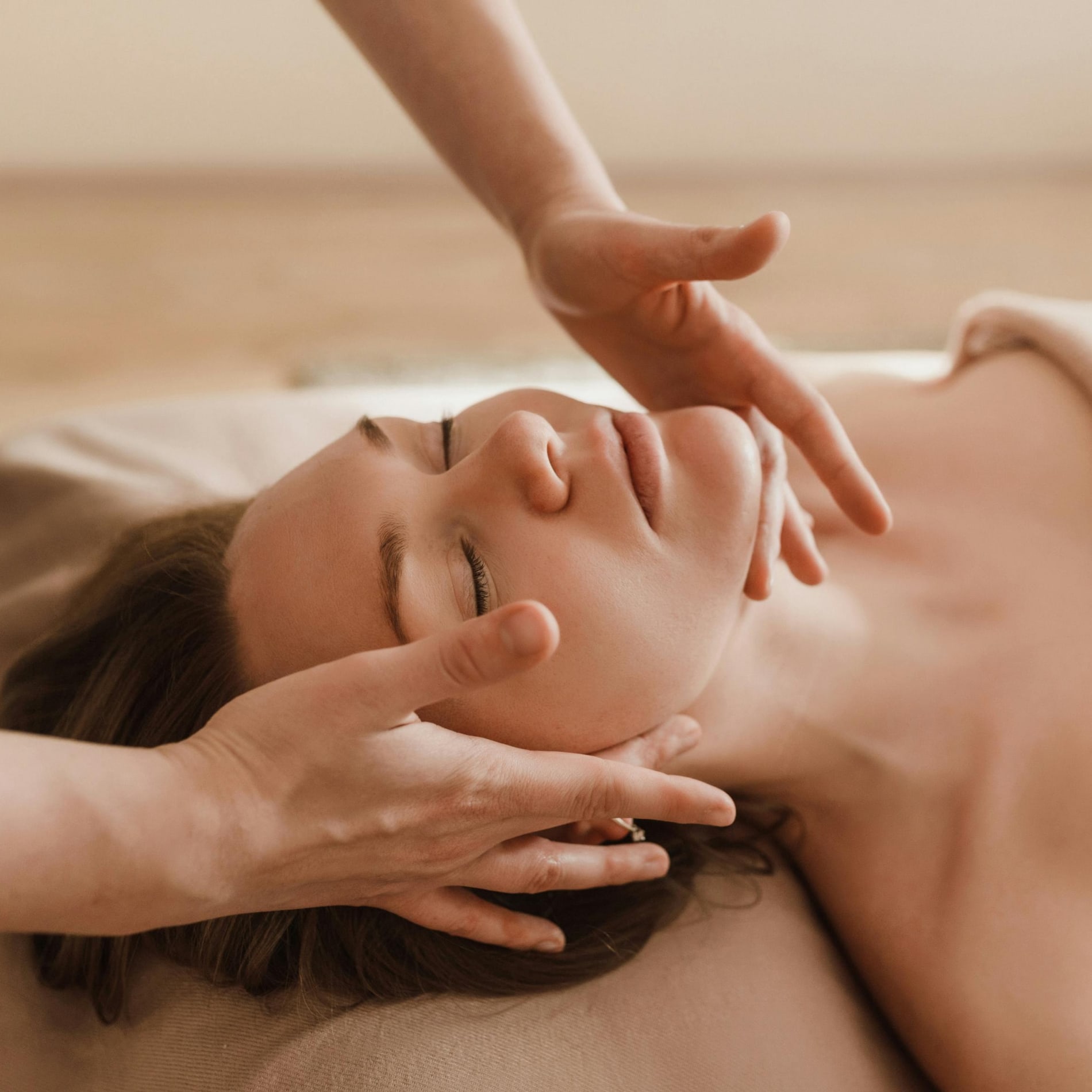
New to lymphatic drainage? We’re guessing you’re actually more familiar with the concept than you think. If you’re anything like us, your FYP has been inundated with content creators touting the benefits of gua sha tools, jade rollers, and dry brushes to reduce puffiness and sculpt the face and body. While these practices may feel trend-driven, they’re rooted in a much larger and clinically relevant system: the lymphatic system.
Lymphatic drainage has become an increasingly important part of modern aesthetics, sitting at the intersection of beauty and wellness. From facial contouring and under-eye de-puffing to post-procedure recovery and body sculpting support, this gentle technique offers both immediate and cumulative benefits. Ahead, we break down what lymphatic drainage actually is, why it’s so effective, and how to incorporate it into your beauty routine.
What is lymphatic drainage, and why is it popular in aesthetics?
Lymphatic drainage is a gentle, rhythmic massage technique that supports the body’s natural ability to move excess fluid, toxins, and waste through the lymphatic system. Because the lymphatic system does not have a pump, it relies on precise movement and light pressure to function efficiently. This support can be provided both through professional treatments and at-home techniques, each playing a distinct role in maintaining healthy lymphatic flow and managing fluid buildup.
In aesthetics, the treatment has gained popularity for its visible and immediate results. A single session can reduce puffiness, enhance facial contours, and leave the skin looking more sculpted and refreshed. Practitioners frequently incorporate lymphatic drainage after aesthetic treatments such as injectables or surgery to help calm inflammation, support healing, and minimize bruising. Beyond the physical benefits, the treatment offers a relaxing, wellness-forward experience that aligns with the growing demand for non-invasive, holistic approaches to beauty.
What’s the difference between at-home lymphatic tools and professional treatments?
At-home lymphatic tools and professional lymphatic drainage treatments differ primarily in technique, precision, and results. At-home tools, such as gua sha stones, rollers, or cups, are designed to support daily maintenance by encouraging gentle lymphatic movement and reducing mild puffiness. When used correctly and consistently, they can help maintain results between treatments and promote overall circulation, but their impact is limited by technique and pressure control.
Professional lymphatic drainage treatments, on the other hand, are performed by licensed practitioners with specialized training in manual lymphatic drainage (e.g., massage therapists or estheticians) and are often offered in med spas or dermatology offices. These treatments use targeted, hands-on techniques to move fluid more effectively, address deeper congestion, and deliver more immediate, noticeable results. Sessions are customized to the individual, making professional lymphatic drainage especially beneficial for post-procedure recovery, chronic fluid retention, and visible facial sculpting.
Why does fluid retention cause facial puffiness and bloating?
Fluid retention occurs when excess fluid becomes trapped in the tissues instead of being efficiently drained by the lymphatic system. In the face, this is especially noticeable because the skin is thinner and the underlying structures are more delicate. Factors such as inflammation, hormonal changes, high sodium intake, poor circulation, and lack of movement can all slow lymphatic flow. When lymphatic drainage is compromised, fluid accumulates, leading to visible puffiness, bloating, and softened facial contours. Because the face contains a dense network of lymphatic vessels, even small disruptions in flow can quickly result in swelling, making fluid retention one of the most common causes of facial puffiness.
How does lymphatic drainage improve facial contour and definition?
Lymphatic drainage improves facial contour and definition by encouraging excess fluid to move out of the facial tissues and toward the lymph nodes, where it can be properly processed and eliminated. As fluid buildup decreases, the natural structure of the face becomes more visible, allowing the cheekbones, jawline, and other contours to appear sharper and more defined. The technique also supports healthy circulation and helps reduce inflammation, contributing to a smoother, more lifted appearance. With regular treatments, lymphatic drainage helps maintain balanced fluid levels, resulting in a refreshed, sculpted appearance.
Does lymphatic drainage help with under-eye puffiness?
Yes, lymphatic drainage can be especially effective for under-eye puffiness. The under-eye area contains delicate tissue and a high concentration of lymphatic vessels, making it particularly prone to fluid buildup. When lymphatic flow slows, even a small amount of retained fluid can cause visible swelling. Targeted lymphatic drainage techniques gently guide this excess fluid away from the under-eye area and toward nearby lymph nodes for proper drainage. As a result, the eyes appear less puffy, smoother, and more refreshed.
How does lymphatic drainage support post-aesthetic treatments?
Treatments like injectables and lasers can temporarily disrupt lymphatic flow and lead to swelling, tenderness, and bruising. Lymphatic drainage encourages gentle movement of excess fluid away from the treated areas, helping reduce swelling and promote more even healing. When applied at the right stage of healing, lymphatic drainage supports clearer results and a smoother, more comfortable post-treatment experience.
Is lymphatic drainage massage good for skin health and glow?
Lymphatic drainage massage not only helps reduce puffiness but it can also significantly improve skin health and radiance. By encouraging healthy lymphatic flow and circulation, it helps deliver oxygen and nutrients to the skin while assisting in the removal of metabolic waste. This process can reduce dullness, calm inflammation, and promote a more even skin tone. As fluid congestion decreases, the skin appears clearer, smoother, and more balanced.
How often should you get lymphatic drainage for beauty results?
How often you should get lymphatic drainage depends on your goals and individual needs. For visible beauty benefits such as reduced puffiness and enhanced facial contour, AEDIT Founder and board-certified facial plastic and reconstructive surgeon Dr. William Kennedy recommends “getting lymphatic drainage massage about once every four weeks to maintain healthy fluid movement and facial definition.” But, of course, other factors are involved and those recovering from aesthetic procedures or experiencing persistent fluid retention may benefit from more frequent sessions. At-home lymphatic techniques can be used between professional sessions to help support ongoing results. Consistency is key—regular lymphatic drainage helps maintain balanced fluid levels, leading to longer-lasting, more refined aesthetic outcomes over time.
Can lymphatic drainage help with cellulite or body sculpting results?
Lymphatic drainage can support both body sculpting and the appearance of cellulite by reducing water retention and tissue congestion that affect how the body’s shape and skin texture appear. When it comes to cellulite, decreasing excess fluid can help soften the dimpled look and make the skin appear smoother and more even. In regard to body sculpting, reduced swelling better shows off the body’s natural shape and definition.
That being said, Dr. Kennedy notes “that results from lymphatic drainage treatments are temporary, as the lymphatic system continues to respond to lifestyle, inflammation, and fluid retention. To help enhance and maintain the results of body sculpting, he generally recommends a professional lymphatic drainage treatment every four to six weeks. For those looking to diminish the appearance of cellulite, treatments are typically most effective when performed every two to four weeks, depending on factors such as the severity of cellulite, circulation, and individual lymphatic function.”
Who should avoid lymphatic drainage treatments?
While lymphatic drainage is generally safe, people with active infections, acute inflammation, blood clots, congestive heart failure, or untreated cancer should not undergo lymphatic drainage, as stimulating lymph flow may worsen these conditions. Additionally, those with kidney disease or serious circulatory issues or those who are pregnant should get medical clearance first. As with any treatment, consulting a qualified medical provider before beginning lymphatic drainage is recommended for anyone with underlying health concerns.
What methods of lymphatic drainage can I implement at home?
On a budget? Fortunately, there are a number of ways you can perform lymphatic drainage at home. The most popular is a gentle facial massage, which can be done using clean hands, gua sha tools, or facial rollers with light pressure and proper technique. Dry brushing is another effective option for the body, helping stimulate lymphatic flow while exfoliating the skin. Lastly, while not a method per se, consistent movement and activity support healthy lymphatic circulation. These at-home methods are helpful, but they work best when applied consistently and alongside professional treatments.
What lymphatic drainage services are available with a professional?
While lymphatic drainage services vary from spa to spa, the most common treatments include body lymphatic massage, facial lymphatic massage, post-surgical lymphatic massage, and acupuncture. Body lymphatic massage focuses on reducing fluid retention and swelling, while facial lymphatic drainage targets puffiness, contour, and skin health. Post-surgical lymphatic massage is typically offered in medical or post-operative settings to support healing and reduce inflammation, often under medical guidance.
Depending on the practitioner’s training and approach, treatments may be performed using manual, hands-on techniques or with the support of tools such as lymphatic cupping, wood rollers, brushes, or other specialized modalities.
Discover science-backed solutions from AEDIT Medshop
We’ve taken out the guesswork so you can shop with confidence, knowing you’re choosing what’s right for you.