Is Botox Declining—or Just Evolving?
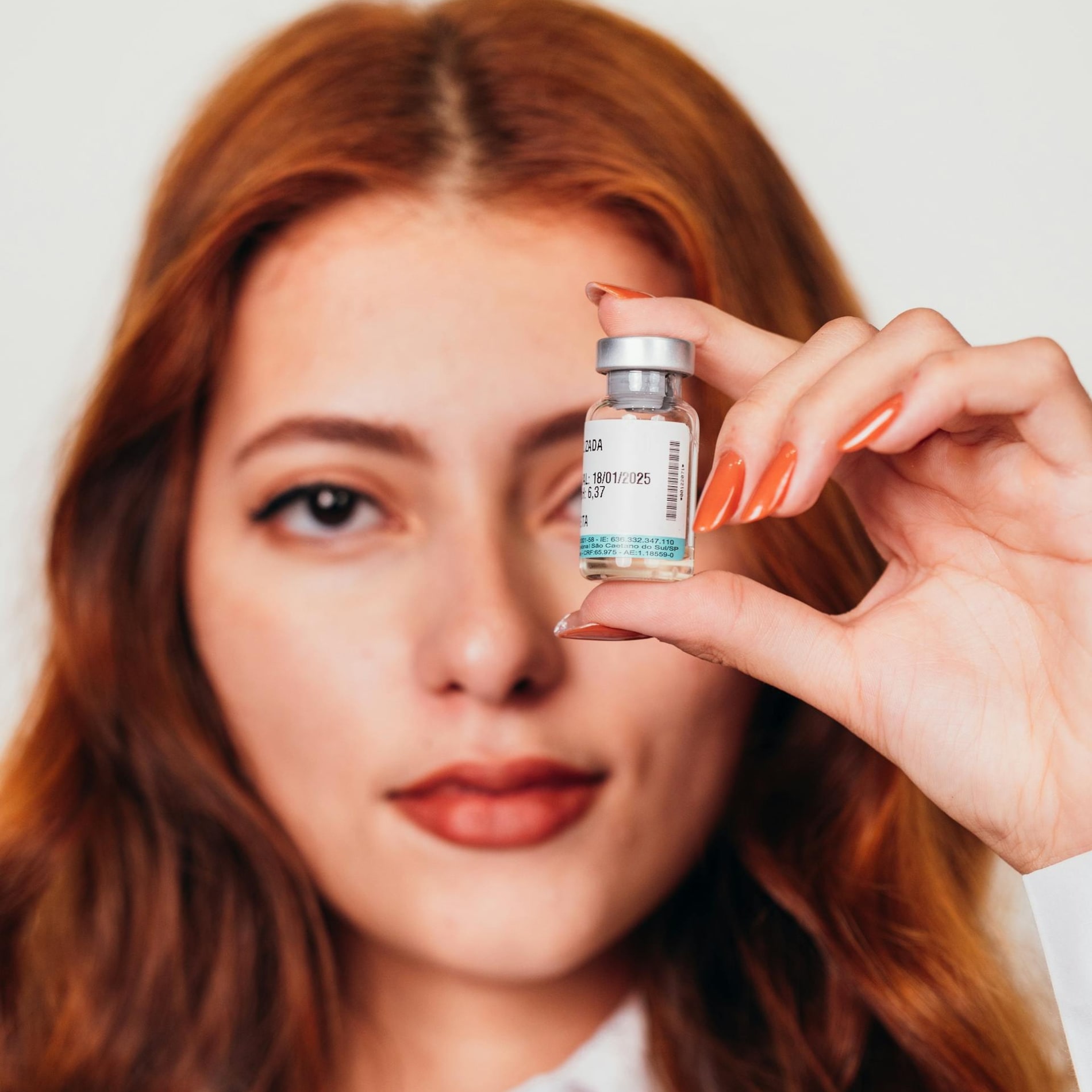
The conversation around neuromodulators has shifted, giving rise to a new wave of treatments that go well beyond wrinkle reduction. What’s emerging in 2026 isn’t a decline of tox, but rather a recalibration of it. Today’s Botox trends reflect a growing demand for personalization, subtlety, and functionality, as both patients and providers rethink what these products can do.
With treatments like TrapTox, Barbie Botox, and hairline Botox to address excessive sweating, these of-the-moment applications blur the line between aesthetic and therapeutic treatments. This new category of functional Botox is less about freezing expressions and more about improving comfort, posture, and overall appearance in ways that are nearly undetectable. At the same time, the rise of subtle injectables and preventative Botox underscores a broader cultural shift. Younger patients (especially) don’t want to look “done.” Instead, they want treatments that fit seamlessly into their lifestyle and deliver visible and physical benefits. Ahead, we’re unpacking the buzziest Botox treatments and examining the growing interest in off-label Botox uses because the future of tox isn’t about doing less—it’s about using it smarter.
What Are Patients Really Asking for in 2026: Less Movement, Or More Natural Results?
The question isn’t whether patients want less movement—it’s whether they want movement that looks natural versus artificial. The biggest shift across Botox trends 2026 is a pivot away from the frozen, overcorrected look toward results that are virtually undetectable. Patients are seeking subtle injectables that preserve expression while softening tension points, signaling a shift in neuromodulator trends. It’s less about erasing lines entirely and more about strategic refinement, or what many providers call “editing, not freezing.”
This demand fuels the rise of treatments like TrapTox (a.k.a. Barbie Botox), which uses shoulder-slimming Botox to relax the trapezius muscles, improve posture, and create a longer neckline. Similarly, hairline Botox is gaining traction for its ability to reduce scalp sweating and provide subtle facial balancing. These treatments highlight the growing interest in functional Botox, which are essentially applications that serve both aesthetic and practical purposes. AEDIT Founder and board-certified facial plastic and reconstructive surgeon Dr. William Kennedy explains, “Today’s Botox treatments are no longer about looking ‘done’—they’re about looking rested, refined, and unmistakably like yourself. Modern injectables reflect a shift toward restraint, where subtlety is the true luxury and the best results are often the ones no one can quite pinpoint.”
Patients aren’t asking for less movement; rather, they seek more natural, better-looking results from treatment. The future of tox lies in customization, where every unit is placed with intention, and the best results are the ones no one can quite pinpoint.
Is Botox Use Declining?
Botox use isn’t declining, but it is evolving. Despite banter that suggests a Botox slowdown, what patients really want is a more diverse sophistication in how neuromodulators are used.
What’s happening is a shift in intent. Traditional wrinkle-smoothing is no longer the sole focus; instead, patients are exploring a broader range of off-label Botox uses that blend aesthetics with function. “The evolution of Botox reflects a broader change in how patients define beauty and aging. People today are less interested in transformation and more interested in preservation—they want to look refreshed, expressive, and authentic at every age. For providers, that means the focus has shifted from simply treating lines to understanding balance, facial dynamics, and long-term aesthetic strategy. The artistry is no longer in doing more, but in knowing exactly how much is enough,” says Dr. Kennedy. Treatments like TrapTox and hairline Botox are gaining traction not because patients want more injectables, but because they want smarter, more tailored outcomes.
At the same time, the demand for subtle injectable results continues to rise. Patients are moving away from obvious-looking results and leaning more toward nuanced enhancements that preserve movement. This is where preventative Botox also plays a role, especially among younger demographics looking to maintain rather than dramatically alter their appearance. While the visibility of Botox may be changing, its relevance isn’t. If anything, neuromodulators are becoming more embedded in full-body aesthetic care, with applications that extend well beyond the face.
Is Botox Actually Declining—Or Are Patient Preferences Simply Shifting?
Is Botox losing steam? Or are patient preferences shifting? The data may appear mixed, but a closer look reveals that demand for Botox is changing, not disappearing.
One of the clearest signals lies in the rise of neuromodulator trends that extend beyond traditional wrinkle reduction, such as the popularity of off-label yet innovative uses of Botox, like in treatments such as TrapTox, also known as Barbie Botox, and hairline Botox, which are reshaping the category by offering benefits that extend beyond aesthetics. From shoulder slimming Botox that can improve posture and relieve tension to Botox sweating treatment that targets hyperhidrosis, these applications highlight the growing appeal of functional Botox.
Patient expectations are also changing. According to Dr. Kennedy, “Today’s neurotoxin treatments are far more precise than they were even a decade ago. We now have a much deeper understanding of facial anatomy, muscle movement, and dosing, which allows us to create softer, more natural-looking results. The goal is no longer to erase expression—it’s to subtly refine it, so patients still look like themselves, just more rested and refreshed.”
So, while it may seem like Botox is declining, the truth is far more complex. Patients aren’t opting out of treatment; they want injections that are more personalized, multifunctional, and aligned with a modern, low-maintenance aesthetic.
Why Are Neuromodulators Moving Beyond the Face Right Now?
Neuromodulators are no longer relegated solely to the face because patients no longer think about aesthetics in isolated zones. Right now, there’s a clear shift toward full-body optimization where comfort, function, and subtle visual refinement all intersect. The face may have been the entry point, but it’s no longer the limit.
One major driver is the rise of functional Botox. Treatments that were once considered niche or strictly medical, like Botox sweating treatment for hyperhidrosis, for example, are now part of mainstream aesthetic conversations. At the same time, newer applications have taken off, which open the door for neuromodulators to be used in more ways than one. Even though these innovations fall under the category of off-label Botox uses, their growing popularity reflects changing patient priorities. People aren’t just asking, “How do I look?” They’re asking, “How do I feel?” And thanks to Botox, tension relief, posture improvement, and sweat reduction are now easily treated.
How Are Providers Adapting Their Techniques to Meet Demand for Subtle, Undetectable Outcomes?
Injector technique is as important as the treatment itself, and many injectors are refining their approach to deliver subtle injectables that are virtually undetectable. The focus has shifted from blanket dosing to precision micro-placement, where small amounts of neuromodulator are strategically injected to soften movement rather than stop it entirely. Off-label Botox uses are technique-driven, and success depends less on how much is injected and more on where and how it’s placed.
Dr. Kennedy shares, “Another major shift in Botox today is the move toward customization. Patients are no longer asking for a one-size-fits-all result—they want treatments tailored to their facial anatomy, expressions, lifestyle, and aesthetic goals. That level of personalization is incredibly important because the most successful outcomes happen when treatment plans enhance an individual’s natural features rather than conforming to a trend.” Providers are tailoring each session to a patient’s unique muscle movement, lifestyle, and goals. This is particularly important for patients seeking preventative Botox, where the aim is to maintain natural movement over time rather than correct deeply set lines.
Dilution and dosing strategies are also evolving. Many injectors are opting for more diluted formulas to allow for softer diffusion, creating a more blended, natural effect. Combined with advanced injection patterns, this approach helps avoid the stiffness that patients want to avoid.
What Are New Botox Trends In 2026?
The biggest Botox trends point to a category that’s expanding beyond its wrinkle-smoothing roots into something far more nuanced, driven by personalization, prevention, and multi-functional benefits. One of the most talked-about shifts in neuromodulator trends is the rise of TrapTox, or Barbie Botox, which uses shoulder-slimming Botox to relax the trapezius muscles, elongating the neck and relieving built-up tension. It’s emblematic of a broader move toward functional Botox, where aesthetic improvement and physical relief go hand in hand.
Another new trend is hairline Botox, which helps refine facial framing while reducing perspiration along the scalp, especially relevant in warmer months. These off-label Botox uses are becoming increasingly mainstream, as patients look for treatments that fit seamlessly into their lifestyle rather than dramatically alter their appearance.
At the same time, demand for subtle injectables continues to shape Botox trends. Patients are prioritizing natural movement, which has fueled interest in techniques such as micro-dosing and preventative Botox. Instead of waiting for deep-set lines to form, younger patients are starting earlier with smaller amounts, aiming to maintain rather than correct. The result is a softer, less detectable approach that aligns with today’s “no one should know” aesthetic.
Full-body integration is also popular as neuromodulators are no longer confined to the face. Today, they’re being used across the neck, shoulders, and scalp to create a more holistic effect. This reflects a larger shift in how patients think about aesthetics: less about isolated fixes, more about overall balance. “The future of neurotoxin treatments lies in precision and adaptability. As techniques and products continue to evolve, we’re moving toward treatments that are increasingly personalized, nuanced, and responsive to how each individual ages and expresses themselves. The next era of tox isn’t about freezing the face—it’s about creating refined, flexible results that evolve naturally with the patient over time,” says Dr. Kennedy.
Are These Newer Uses of Botox Meaningfully Different—Or Just Rebranded Applications of Existing Techniques?
Many of the buzzy Botox trends aren’t entirely new but rather represent a meaningful shift in how neuromodulators are applied, marketed, and understood. In other words, while the molecule hasn’t changed, the mindset around it has. Dr. Kennedy highlights, “What these changes ultimately mean for consumers is that Botox has become far more approachable, individualized, and transparent. Patients today are more educated and intentional—they’re not necessarily seeking dramatic change, but treatments that align with how they want to look and feel.”
Take TrapTox, for example. Injecting the trapezius muscle isn’t new—it’s long been used in medical settings to address pain and tension. What’s different now is the aesthetic framing: shoulder slimming Botox is positioned to create a longer neckline while simultaneously improving posture. The same goes for hairline Botox, which builds on existing Botox sweating treatment techniques but repackages them for patients seeking both sweat reduction and subtle facial refinement.
These off-label Botox examples may sound like clever rebrands, but they’re not. Instead, they reflect a broader trend that speaks to today’s patients, who are more educated, more specific in their goals, and more interested in treatments that deliver dual benefits.
Are New Botox Uses Safe?
These new uses of Botox are generally safe, but who’s performing the treatment, and how and where it’s performed, are equally important for overall safety and treatment success.
Botox has a long-established safety profile when used appropriately. But many of today’s most talked-about applications are off-label Botox uses, meaning they haven’t been FDA-approved for those exact areas. Treatments like shoulder slimming Botox or Botox for a sweaty scalp build on existing medical uses but require a high level of anatomical knowledge and precision to execute safely. Dosage, depth, and placement all matter significantly—not just for results, but for maintaining normal muscle function.
What Misconceptions Do Patients Have About These Newer Botox Trends?
As Botox trends continue to evolve, so do the misconceptions that surround them. Many of today’s buzziest treatments are often misunderstood, especially as they blur the line between aesthetic and medical benefits.
One of the biggest misconceptions is that these newer treatments are entirely new inventions. Many are simply off-label Botox uses that have existed in medical settings for years. What’s changed is how they’re being positioned. For example, shoulder slimming Botox is often viewed purely as a cosmetic tweak, when in fact it can also relieve muscle tension and improve posture, making it a form of functional Botox, rather than just visual enhancement.
Another common misunderstanding is around results. Patients may assume that these off-label body treatments will deliver dramatic, instant transformations. In truth, results are gradual, understated, and highly individualized. While highly effective, patients may underestimate the level of precision required or assume these treatments are a one-size-fits-all solution. In reality, these treatments require careful mapping and expertise to avoid unwanted side effects.
Social media has only amplified these misconceptions, often reducing complex procedures into catchy names and quick visuals. As Dr. Kennedy explains, “While many of these Botox trends are presented as simple or quick fixes online, the reality is that they require an extremely nuanced understanding of anatomy, muscle function, and injection technique. Treatments like jawline slimming, trap tox, or microdosing may look subtle, but achieving natural, balanced results safely takes significant expertise and precision.”
Ultimately, the biggest misconception is that newer equals easier or more accessible. As Botox expands into more areas of the body and more functional Botox applications, it requires more skill—not less. Understanding that distinction is key to navigating the next wave of neuromodulator treatments safely and effectively.
Are Treatments Like Traptox And “Barbie Botox” Driven by Function, Aesthetics, Or Social Trends?
TrapTox and Barbie Botox sit at the intersection of function, aesthetics, and social influence. But what’s driving their popularity is less about one single factor and more about how all three are converging.
From a clinical standpoint, these are functional Botox treatments. Injecting specific muscles helps relieve tension and deliver functional benefits, such as improved posture and reduced muscle tightness, reinforcing the practical value behind many of these so-called trends.
But aesthetics is equally central. The visual payoff, whether it’s a longer-looking neckline from TrapTox or a more balanced hairline, aligns with the current demand for subtle injectables. Patients aren’t necessarily chasing dramatic transformations; they’re looking for small, strategic tweaks that enhance their features without obvious signs of intervention.
At the same time, it’s impossible to ignore the role of social media. Names like Barbie Botox aren’t medical—they’re marketing. They package off-label Botox uses into digestible, shareable concepts that resonate with a younger, more trend-aware audience. That visibility can drive demand, sometimes faster than patient education can keep up.
Function, aesthetics, and social trends influence these treatments, and these elements seamlessly overlap. The best outcomes happen when function and aesthetics lead, and trends simply follow.
What Is Traptox or Barbie Botox?
TrapTox, also known as Barbie Botox, is a trending off-label neuromodulator treatment where Botox (or similar neurotoxins) is injected into the trapezius muscles (the large muscles that run from the neck to the shoulders). As Dr. Kennedy explains, “The goal of shoulder slimming Botox is to relax the trapezius muscles in a way that creates a more elongated, elegant neck and shoulder silhouette while also relieving built-up muscle tension. When performed correctly, the treatment can deliver both aesthetic refinement and functional relief, helping patients look and feel more relaxed overall.”
TrapTox uses neuromodulators to temporarily relax the trapezius muscle. When the muscle is less active:
- The shoulders can appear less bulky or “raised”
- Neck tension and muscle tightness may decrease
- The neckline can look more elongated and refined
This is why it’s often grouped with shoulder slimming Botox, a category that overlaps with aesthetic contouring treatments. TrapTox is part of a larger wave of neuromodulator trends, where Botox is used far beyond wrinkle reduction. Social media aesthetics like “long neck,” “elevated elegance,” and minimalist facial balance have helped fuel demand.
Like all off-label Botox procedures, TrapTox should be approached carefully. Over-relaxing the trapezius can potentially affect posture or shoulder strength, so treatment planning and dosage are critical.
Who Is a Good Candidate for Traptox?
A good candidate for TrapTox is someone who wants to reduce trapezius muscle bulk, relieve upper-body tension, or refine the neck-to-shoulder silhouette using neuromodulators. Anyone with bulky or overactive trapezius muscles, chronic neck and shoulder tension, or those seeking subtle aesthetic refinement is usually a good candidate for the treatment. However, Dr. Kennedy adds,“TrapTox is not a one-size-fits-all treatment, and it’s important for patients to understand that not everyone is an ideal candidate. Individuals with certain neuromuscular conditions, existing muscle weakness, or unrealistic expectations may not be suitable for the procedure. A thorough consultation is essential because these treatments require careful evaluation of anatomy, function, and aesthetic goals to ensure both safety and appropriate results.”
What Is Hairline Botox?
Hairline Botox involves strategically injecting small amounts of Botox around the frontal hairline and upper forehead to subtly relax muscles, refine facial framing, and in some cases create the appearance of a smoother, more balanced upper face.
Hairline Botox targets fine muscle activity along the upper forehead and hairline area. Depending on the technique, it may:
- Soften tension in the frontalis muscle (forehead)
- Create a more relaxed, less “pulled” hairline appearance
- Help balance asymmetries in eyebrow positioning
- In some cases, reduce scalp tension
Because of this, it’s often discussed alongside preventative Botox and subtle injectables, where the goal is long-term refinement rather than correction. Hairline Botox fits into a broader movement toward facial “micro-adjustments” rather than an obvious transformation.
Can Botox Help with Sweating?
Botox can help with sweating, and it’s one of its most established medical uses. Excess sweating (hyperhidrosis) happens when sweat glands are overactivated by nerve signals. A Botox sweating treatment works by temporarily blocking nerve signals that tell sweat glands to “turn on.” When injected into the underarms, palms, scalp, or even the forehead, Botox reduces excessive sweat production for several months.
Botox for sweating is commonly applied in:
- Underarms
- Palms and soles
- Scalp and forehead
- Face and body zones, where sweat impacts comfort or appearance
Because it targets nerve signaling rather than sweat glands themselves, it’s considered a form of functional Botox, treating a physical condition rather than just aesthetics. “Botox for excessive sweating can be truly life-changing for many patients because it addresses an issue that often affects confidence, comfort, and day-to-day activities in ways people don’t always realize,” says Dr. Kennedy. Results from Botox for sweating typically last about 3–6 months, after which repeat treatments are needed.
Can Botox Improve Posture or Tension?
Botox may help with certain types of posture-related tension, but it’s not a structural fix for posture. Instead, it works by reducing muscle overactivity, which can indirectly influence how the body holds tension.
By reducing chronic tightness in these muscles, some patients report:
- Less shoulder elevation or “hunched” tension
- Reduced neck strain or clenching patterns
- A softer, less rigid upper-body posture appearance
However, Botox does not retrain posture, strengthen muscles, or correct spinal alignment. If posture issues are structural (like scoliosis or long-term muscular imbalance), Botox alone won’t resolve them. It’s also not a replacement for physical therapy, strength training, or postural rehabilitation.
Is Botox Used on the Body?
Botox is widely used on the body, and its use beyond the face is one of the major drivers behind the expansion of modern neuromodulator trends. While Botox is best known for reducing facial wrinkle, neuromodulators are increasingly used in multiple body areas for both cosmetic and functional purposes. These are the most treated areas:
- Sweat reduction: One of the most common body applications is Botox sweating treatment (hyperhidrosis treatment). It’s used on the underarms, palms, soles of feet, scalp, and hairline. By blocking nerve signals to sweat glands, Botox significantly reduces excessive sweating for months.
- Muscle shaping and contouring: TrapTox, also referred to as shoulder slimming Botox, targets the trapezius muscles to relax the shoulders and create a more elongated neck/shoulder line. Barbie Botox also creates an aesthetic slimming effect in the neck or upper body. These treatments fall under expanding off-label uses of Botox, where injectables are used for body sculpting rather than wrinkle reduction.
- Functional and pain-related uses: Botox is also used for medical and functional purposes, including muscle tension and spasms, migraine-related muscle activity, jaw clenching, and neck and shoulder tightness.
How Long Do Non-Face Botox Treatments Last?
Non-face Botox treatments generally last about 3 to 6 months, but the exact duration can vary depending on the treatment area, dosage, muscle strength, and how often the area is re-treated. Dr. Kennedy highlights, “It’s important for patients to have a realistic understanding of how long Botox results will last because longevity can vary depending on the treatment area, dosage, muscle activity, and the individual patient. Setting clear expectations upfront helps patients make informed decisions about maintenance, timing, and overall treatment goals. When patients understand that results are temporary and gradual rather than permanent or immediate, they tend to have a much more positive and satisfying experience overall.” Several factors influence how long results last, including:
- Muscle size and strength (larger muscles have a shorter duration)
- Dosage and injection precision
- Metabolism and activity level
- Whether it’s a first-time or repeated treatment
- Treatment goal (cosmetic vs. functional Botox)
What Are the Risks of Off-Label Botox?
Off-label Botox can be highly effective in the right hands, but it also carries more uncertainty than standard, FDA-approved uses. As off-label Botox uses expand across aesthetics and wellness, understanding the risks becomes increasingly important. “Off-label Botox use can carry a bit more risk simply because these treatments may not have the same level of large-scale clinical data or standardized protocols as FDA-approved indications. That doesn’t mean they’re inherently unsafe, but it does make provider expertise even more important. Patients need to understand that off-label treatments require careful assessment, advanced anatomical knowledge, and realistic expectations to ensure that the treatment is both safe and effective,” says Dr. Kennedy.
Some of the key risks of off-label Botox are:
- Unpredictable results because off-label areas are less studied
- Muscle weakness or imbalance
- Functional side effects that can include natural muscle coordination, changes in grip strength, and neck or shoulder stability in some cases
- Technique sensitivity
- Temporary asymmetry
Despite risks, off-label applications continue to grow because they offer:
- Expanded aesthetic customization
- Options for patients who don’t respond to traditional treatments
- Integration of beauty and wellness goals
- Early adoption of preventative Botox strategies
Off-label Botox can be very effective, but it requires a deep understanding of anatomy and conservative dosing.
Where Is the Line Between Functional Treatment (Sweating, Tension) And Aesthetic Enhancement?
The line between functional Botox treatment and aesthetic enhancement is becoming increasingly blurred. As neuromodulators are used in more areas of the face and body, the same injection can often improve how something feels while also changing its appearance.
At its core, functional Botox refers to treatments designed primarily to improve symptoms or physical function, such as sweating, muscle tension, headaches or clenching, and tight muscles. “At its core, functional Botox is really about improving comfort and quality of life rather than changing appearance. Any aesthetic benefit is often secondary to the functional improvement patients experience day to day,” says Dr. Kennedy. Aesthetic enhancement, on the other hand, refers to treatments aimed at visual refinement, such as jaw slimming, facial softening, neck and shoulder contouring, subtle facial balancing and smoothing, and refining upper-face tension patterns. These treatments often fall under the category of subtle injectables, where the goal is a natural-looking aesthetic adjustment rather than a dramatic change.
Where the line gets blurry is in practices where the distinction between the two solutions is not clear. Many treatments provide both functional and aesthetic benefits, and there are several reasons for this overlap:
- Expansion of neuromodulator trends beyond traditional wrinkle treatment
- Growing acceptance of preventative Botox, where early muscle modulation serves both goals
- Increased demand for customization through subtle injectables
- Social media normalization of aesthetic-functional hybrids
- Clinics adopting more holistic, full-body approaches to treatment planning
Most neuromodulator treatments now exist on a spectrum rather than in two separate categories and are either purely functional, primarily aesthetic with minor functional benefits, or both functional and aesthetic.
Are Off-Label Uses Becoming More Mainstream—And Should They Be?
Off-label Botox use is becoming more mainstream, and in many ways, they’re helping define Botox trends 2026 and the broader evolution of neuromodulator trends. But whether they should be mainstream is where the conversation gets more nuanced.
Treatments like TrapTox, Barbie Botox, hairline Botox, and shoulder slimming Botox are all examples of off-label Botox uses that have moved from fringe aesthetic culture into mainstream cosmetic medicine discussions. This expansion reflects a shift toward functional and preventative Botox, where injectables are used not just to erase wrinkles but to modify muscle behavior, tension patterns, and body contour.
The reason off-label use is becoming more mainstream also comes down to social media normalization, customization, blurring the lines between medical and cosmetic use, and expanded applications.
Rather than being fully “mainstream” or “experimental,” off-label Botox is sitting in a transitional phase—driven by neuromodulator trends and the growing popularity of aesthetic-functional hybrids. It’s also why treatments like TrapTox, Barbie Botox, and hairline Botox are often discussed together under the umbrella of Botox trends 2026, even though they target very different anatomical and functional goals. Dr. Kennedy adds, “Off-label neuromodulator treatments are definitely becoming more mainstream as patients look for solutions that go beyond traditional cosmetic Botox. We’re seeing growing demand for treatments targeting everything from muscle tension to body contouring and sweating. At the same time, it’s important to recognize that adoption in some areas is moving faster than the long-term clinical data, which is why careful patient selection, education, and experienced providers remain so important.”
Who Is Not a Good Candidate for These Emerging Treatments?
Emerging neuromodulator procedures and other off-label Botox uses can be highly effective for the right patient. But they are not appropriate for everyone, especially anyone with:
- Certain neuromuscular conditions
- Patients seeking structural or permanent changes
- Individuals with unrealistic aesthetic expectations
- People with very low body fat or minimal muscle activity
- Patients who are not willing to maintain their results with repeat treatments
Emerging treatments can be highly effective, but they require careful matching between anatomy, expectations, and treatment goals. Not everyone benefits equally from these newer applications, even as they grow in popularity. Careful evaluation is essential as subtle injectables and off-label Botox uses continue to expand across both medical and cosmetic practices.
Discover science-backed solutions from AEDIT Medshop
We’ve taken out the guesswork so you can shop with confidence, knowing you’re choosing what’s right for you.