
Overbite
Crooked teeth, a "buck tooth" overbite, and other related problems can have a big impact upon a person's self esteem, but many effective orthodontic treatments exist to address these concerns. The treatment process for correcting dental issues of misalignment include various forms of braces or even surgery, with the best treatment plans fixing aesthetic problems as well as preventing more serious dental disorders.
For everyday skincare essentials, pre- and post-treatment support, procedure enhancers, or even treatment alternatives, we’ve got you covered.
Overbite Overview
Content Reviewed by AEDIT Medical Advisory Board
What is Overbite?
A beautiful set of perfectly straight and pearly white teeth may often be displayed when a celebrity flashes a big, high voltage smile for the cameras, but that doesn't mean the individual was born with such a fabulous smile. Nor does it mean that everyday individuals can't obtain the same great grin. Frequently, baby teeth aren't replaced with straight, permanent teeth. Many individuals will need to undergo orthodontic care to correct crooked teeth into alignment.
What are the differences Between Overbite and Underbite?
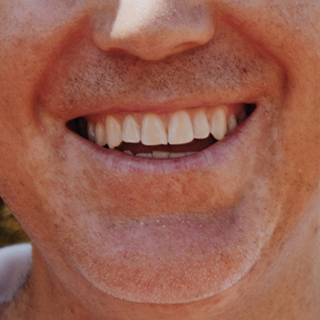
If you are facing a problem with the positioning of your teeth, it helps to understand the name of your specific concern. When the top teeth overlap the bottom teeth more than usual, it is called an overbite. Most everyone has a slight overbite since the upper teeth normally overlap and rest in front of the lower teeth. However, properly aligned top teeth sit comfortably atop the lower front teeth, without a large noticeable gap between the upper teeth and lower teeth that can be apparent with an overbite.
An underbite, on the other hand, is exactly as it sounds - the direct opposite tooth positioning as an overbite. When a person has an underbite, their lower jaw tends to stick out farther than their upper jaw, causing their bottom teeth to overlap atop their upper front teeth.
What are the differences Between Overbite and Overjet?
Whereas the overbite and underbite are opposite conditions, an overbite is often confused with an overjet. An overjet might be better known as “buck teeth,” wherein the upper front teeth protrude further outward than usual along a horizontal plane.
Not only can such conditions cause cosmetic issues – they may also contribute to jaw pain or speech problems, which means it’s important to have the concerns brought to the attention of a dental professional.
Overbite Causes, Symptoms & Solutions
Causes and Treatments for Overbite
According to the U.S. National Library of Medicine, an occlusion references how an individual's bite fits together - meaning how their lower and upper teeth align. When the upper and lower teeth fit properly, it is a comfortable bite with the upper teeth resting a bit over the lower teeth, and the molars fitting together like puzzle pieces atop one another.
However, whenever there is any type of malocclusion, whereby the upper teeth aren't in good alignment with the lower teeth, all sorts of problems can occur. Properly fitted teeth help protect us from accidentally chomping on our lips and cheeks, and help to guard our tongues.
Causes of overbites or similar problems include the following:
- Hereditary conditions
- A lower jaw that is a different size than the upper jaw
- Early childhood habits, including thumb sucking and extended pacifier use
- Injuries and illnesses
- Tongue thrusting, where a person pushes their tongue out between their lower front teeth and upper teeth, even when they swallow
Overbite correction and other forms of dental care can have a hugely positive impact upon the patient with the problem, even improving their facial structure along with their bite.
Grade of Malocclusion
Before treatment, a dental professional should determine the type of malocclusion, and whether it belongs to the most common Class 1 malocclusion with the upper teeth overlapping the lower teeth a bit or one of the more serious categories. A Class 2 malocclusion is a more severe overbite, while a Class 3 malocclusion represents an underbite, according to the U.S. National Library of Medicine.
What are The Signs and Symptions of Dental Issues?
The American Dental Association (ADA) notes that certain early childhood habits such as thumb sucking should be discouraged by the time the child turns four years of age, to encourage proper development of the jaws and teeth.
Any of these factors might be indicators of dental issues:
- Jaw pain
- Speech problems
- Problems with chewing food
- The lower front teeth cannot touch the upper teeth
- Noticeable misalignment deep bite problem, where the upper front teeth bite into a very deep position over the lower front teeth
What is Normal vs. Needing Dental Treatment??
It is imperative to visit a dental expert to receive X-rays and a personalized examination to determine if the issues you are experiencing are minor or serious, such as a severe overbite or problems that may prompt tooth decay, like nail-biting.
According to the Mayo Clinic, certain problems make themselves evident due to jaw pain, such as temporomandibular joint disorder (TMJ or TMD). Even if you aren't experiencing any discomfort, a dental professional may recognize and diagnose problems such as teeth grinding that could be treated before causing any other issues.
Treatment Options for Overbite
Traditional Metal Braces Orthodontic braces have advanced quite a bit, but traditional metal braces still come with certain advantages. Not only are they credited with being a strong way to align teeth, but they can also be an affordable option.
Damon Braces Damon braces are an orthodontic treatment choice that was developed somewhat recently, representing a self-ligating system that utilizes specialized brackets or clips in conjunction with an archwire to adjust the position of the teeth.
Lingual Braces While not recommended for patients with a deep overbite, lingual braces help provide a conspicuous way for folks who don't want visible braces to wear them, with the brackets adhered to the internal sides of the teeth closest to the tongue.
Invisalign Aligners® and Clear Aligners While clear aligners are not recommended for patients with a deep overbite since the system does not address jaw irregularities, they can be an ideal option for others. The Invisalign treatment plan involves first performing a smile assessment, wherein Invisalign® presents several questions to help candidates learn if they are a good fit for the clear aligners.
Orthognathic Surgery For those with a severe overbite, corrective orthognathic surgery is an option that can fix a plethora of misalignment issues with the teeth and jaw positioning. An expert oral and maxillofacial surgeon (OMS) can help with these types of advanced surgical needs. Treatment is often combined with braces both before and after surgery for optimal results.
Curious what Overbite Solutions are available?
Explore procedure recommendations from AEDIT Experts to address your Overbite concern.

Discover science-backed solutions from AEDIT Medshop
We've taken out the guesswork so you can shop with confidence, knowing you're choosing what's right for you.

Need help finding the best option for you?