The Smart Way to Plan Medspa Treatments, Expert-Recommended
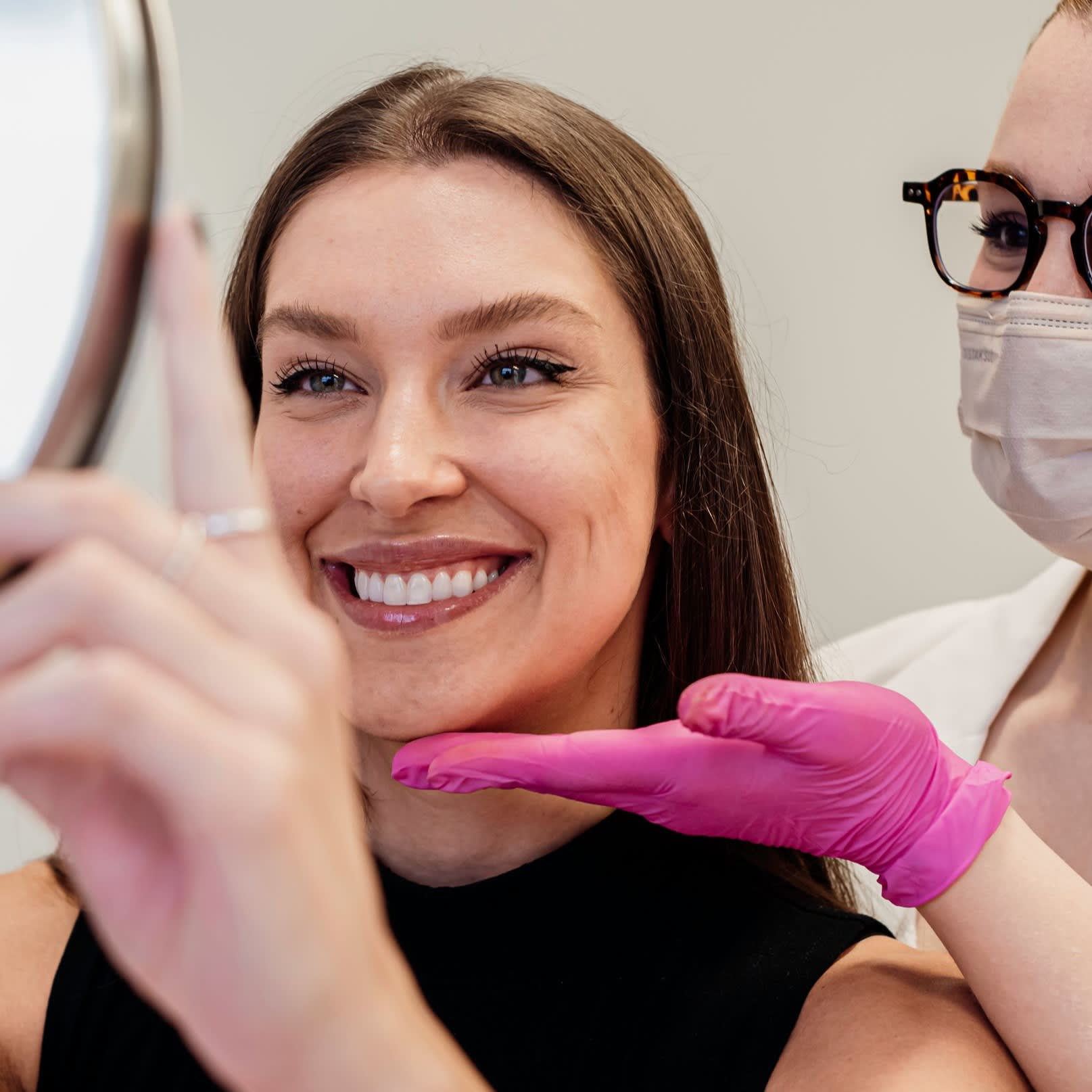
As with most things in life, you’ll want to leave it to the experts. The same goes for skin maintenance and glow-up’s. While it’s true we know our bodies best, aesthetic professionals are the ones who know the in’s and out’s of cosmetic treatments and how to best utilize them for maximum results.
What follows is a more strategic way to approach medspas—not as one-time treatment destinations—but as ongoing aesthetic partners. From treatment sequencing and stacking to provider continuity and long-term planning, outcomes today depend on how thoughtfully you navigate your care. As medspas become more advanced, so should your approach. Consider this your guide to a more intentional, provider-led medspa strategy.
How should you plan medspa treatments over time?
Before booking any medspa treatment, you’ll want to start with a consultation, typically with a board-certified physician, NP, PA, RN or aesthetician. While all medspas operate differently, a lot will apply the consultation cost towards any services booked, as done at the AEDIT medspa.
Consultations are critical first steps because it gives the provider the opportunity to assess your skin, take the time to understand your aesthetic goals, and design a plan tailored to your needs. Medspa offerings aren’t meant to be booked all at once, but instead they’re best performed over time with strategic spacing. Trying to self-schedule or stack treatments can lead to suboptimal outcomes or unnecessary risk. A well-planned approach ensures treatments work together, delivering results that feel natural, balanced, and built to last.
Can you combine injectables and skin treatments?
Certain skin treatments can be combined with injectables, but it depends on how intensive the treatment is and how it may interact with the injection sites. Gentle, non-invasive treatments (e.g. hydrating facials, light LED therapy, or lymphatic drainage) are generally safe to stack with neuromodulators or filler since they can support circulation and recovery without disrupting results.
You’ll want to book more intensive treatments, like chemical peels, microneedling, or laser resurfacing, for another day. Since these procedures create controlled injury in the skin, they can increase sensitivity, affect how filler settles, or raise the risk of irritation if done too close together. In most cases, providers will recommend doing injectables either before or after these treatments with a buffer period in between. As always, you’ll want to defer to your provider when combining aesthetic treatments.
How do you sequence treatments for best results?
Sequencing treatments is key to getting the best possible results, and it’s rarely one-size-fits-all. In most cases, providers start by addressing overall skin health and quality first, think treatments that improve tone, texture, and hydration, before moving on to injectables or more targeted procedures. This creates a stronger foundation, so everything that follows looks more natural and lasts longer.
From there, treatments are layered strategically. Neuromodulators are often done before filler to relax movement, while more intensive procedures like lasers or microneedling are spaced around injectables to allow for proper healing. The exact order and timing will depend on your goals, anatomy, and how your skin responds.
Rather than trying to map this out yourself, it’s best to follow a provider-led plan. Thoughtful sequencing ensures each step builds on the last, optimizing both safety and results.
Is it better to see the same injector or provider?
Having provider or injector consistency is ideal whenever possible. Over time, they develop a deeper understanding of your body’s response, treatment history, and aesthetic preferences, which allows for more precise, personalized results. With that continuity, they can track how you respond to treatments, adjust dosing or technique, and refine your results with each visit. This is especially important for treatments like filler or neuromodulators, where placement and approach are highly individualized.
Switching between providers can make this more challenging, as subtle nuances may be missed or interpreted differently. That said, many medspas operate as collaborative practices, and it’s common to see multiple providers within the same team. When that’s the case, the key is ensuring they’re aligned and working from a shared aesthetic treatment plan so your results remain consistent and cohesive. AEDIT founder and board-certified facial plastic and reconstructive surgeon Dr. William Kennedy shares, "One of the biggest advantages of our model at AEDIT Cosmetic Wellness is that every patient benefits from the collective expertise of the entire team—not just the provider they're seeing that day. We collaborate before treatments, discuss each patient's goals, and match them with the clinician whose expertise is best suited for that particular procedure. That means you may not see the same provider every visit, but you'll always receive care from the person best equipped to deliver the safest, highest-quality outcome."
When do medspa memberships actually make sense?
Medspa memberships make the most sense when you’re committed to maintaining results over time—not just booking occasional treatments. Many aesthetic procedures, like injectables, microneedling, light chemical peels, facials, and lasers, are most effective when done consistently; a membership helps support that cadence and can make treatments more cost-effective and easier to plan. At the AEDIT medspa, the WELL+ membership is designed around this approach, offering flexible treatment credits and member pricing to support ongoing care. Ultimately, a membership is most valuable when it aligns with a long-term, provider-guided treatment plan rather than sporadic visits. "The biggest misconception is that aesthetic medicine is about doing something major once or twice a year. In reality, the best results come from consistency. As a member, you might come in monthly for a Hydrafacial, LED therapy, or a regenerative skin treatment, while spacing out larger treatments like lasers or injectables throughout the year. Not only does that approach keep your skin healthier, but membership pricing often makes it significantly more cost-effective than paying for each treatment individually," says Dr. Kennedy.
How do you choose between similar treatments?
With so many options available today, choosing between similar treatments can quickly become overwhelming, which is why it’s best to start with a consultation. Treatments that seem interchangeable, like different types of lasers, microneedling versus radiofrequency, or various injectables, can deliver very different results depending on your skin, goals, and tolerance for downtime. A qualified provider understands these nuances and can recommend the most effective option based on your needs and budget.
Rather than trying to decide on your own, a consultation ensures you’re selecting the right treatment from the start, with a plan that can evolve as your skin and goals change. "Patients are often surprised to learn that there's no single 'best' laser. One of the most common questions I get is whether IPL or a fractional laser like LaseMD Ultra is the better choice. IPL excels at treating redness, visible vessels, and sun spots, while LaseMD Ultra is better suited for improving skin texture, pigmentation, and overall skin quality. Choosing the right technology—or combining them strategically—usually produces better results than relying on one device alone," says Dr. Kennedy.
What treatments should not be done together?
Not all treatments are meant to be done together, particularly those that create significant inflammation or require meaningful healing time. More intensive procedures, like deep chemical peels, aggressive laser resurfacing, or radiofrequency microneedling, are typically done in isolation rather than combined with other treatments in the same session. Stacking these with anything else can increase the risk of irritation, prolong downtime, and compromise results.
Similarly, certain treatments are spaced around injectables. For example, it’s generally best to avoid placing filler immediately before or after treatments that put pressure on or significantly disrupt the skin. The key is understanding how each treatment impacts the skin. A provider will guide what should be separated and by how much time, ensuring safety while allowing each treatment to deliver its full benefit.
How far apart should aesthetic treatments be scheduled?
How far apart treatments should be scheduled depends on the type of procedure and how your skin responds, which is why timing is best determined by your provider. In general, lighter treatments like facials or LED therapy can be done more frequently—sometimes every few weeks—while more intensive procedures like microneedling, chemical peels, or lasers typically require several weeks between sessions to allow for full healing.
Injectables follow their own cadence; neuromodulators are usually spaced a few months apart, while filler is often maintained on a longer timeline depending on the area and product used.
Rather than following a fixed schedule, your provider will adjust timing based on your results, recovery, and overall plan to ensure treatments are both safe and effective.
Discover science-backed solutions from AEDIT Medshop
We’ve taken out the guesswork so you can shop with confidence, knowing you’re choosing what’s right for you.